Cephalopod-inspired camouflage challenges both humans and AI detectors
CephCam combines cameras, adaptive texture generation and OLED displays to match its surroundings. In controlled tests, a model vehicle became harder to detect for both human observers and several AI-based object detectors.
·4 min read
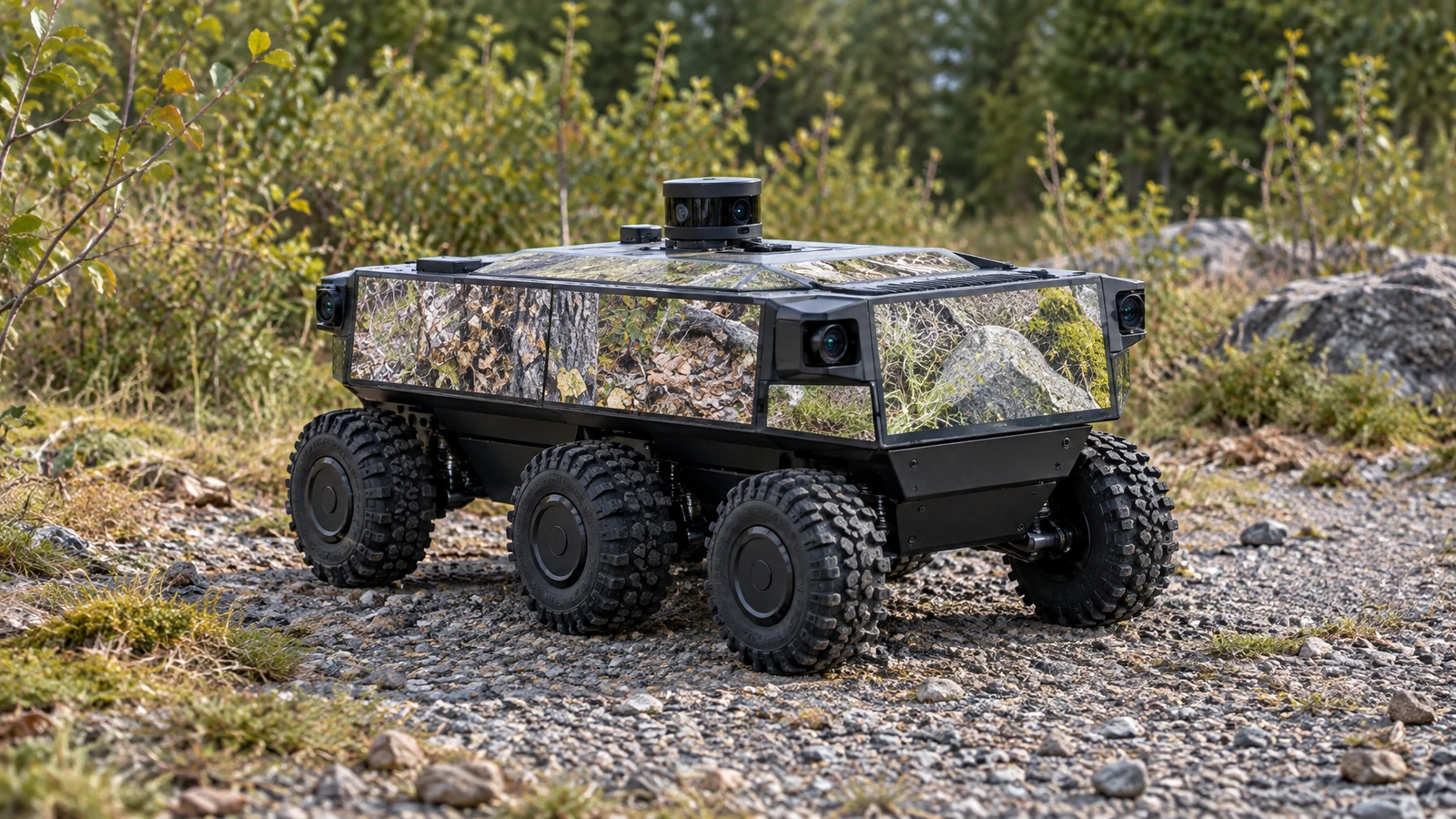
Illustration of the CephCam prototype concept, not an image from the researchers' experiment.Illustration generated with OpenAI for Progress Radar
A closed loop that sees, computes and displays
Camouflage for people and camouflage against artificial intelligence are not necessarily the same problem. Patterns that confuse an object detector can look conspicuous to a person, while natural-looking camouflage can still be picked up by a machine-learning model.
In a peer-reviewed Nature Communications study, researchers present CephCam, an experimental system designed to address both objectives at once. Its architecture is inspired by the adaptive appearance of cephalopods, but it is implemented with cameras, computation and OLED displays mounted on a model vehicle.
The cameras observe the surroundings and extract dominant colors. Software then generates textures intended both to blend visually into the background and to reduce responses from object detectors. OLED panels form the visible surface, while a separate system compensates for color changes caused by viewing the displays from different angles.
Tested against people and models
The researchers first evaluated the system digitally in environments including beach, city, desert, forest, night and snow. The tests measured both how naturally the textures blended into their surroundings for people and how often the vehicle escaped detection by deep neural networks.
A group of 107 volunteers took part in ratings of background blending. In a separate psychophysical experiment, 112 participants performed a binary task judging whether a vehicle was present. CephCam reduced human detection success and increased reaction time compared with the strongest tested baselines for those measures.
The researchers also tested transfer to object detectors that were not directly used for optimization. Combining several detector models during development improved robustness against such unseen models in the experiments. The results do not mean the system can evade every AI detector.
From a digital texture to a physical model
A central challenge was making digitally optimized patterns work on a physical surface. The apparent color of an OLED display changes with viewing angle, so multiple screens mounted around a three-dimensional object will not necessarily reproduce colors as a camera or eye expects.
The researchers therefore developed ColorNet to model and compensate for these angle-dependent shifts. In physical experiments with the model vehicle, the system retained advantages both in human ratings of background blending and in tests against object detectors.
CephCam offers two adaptation modes. A fast template-based method selected an existing pattern in about 0.4 seconds using local processing. A more intensive real-time learning mode took about 2.5 minutes for one training epoch on an RTX 3080 in the researchers' cloud setup, but produced stronger adaptation in the tests.
A prototype, not invisibility
The work demonstrates a way to combine physical camouflage with adversarial machine learning in an adaptive system. It is notable because the same surface is designed to influence two different visual systems: human perception and machine-based object detection.
But CephCam remains a research prototype on a model vehicle. The researchers note that commercial OLED displays cover only limited rectangular areas, reducing camouflage performance on a real three-dimensional surface. The experiments were also conducted in controlled digital and physical settings.
The results therefore should not be described as an invisibility cloak or as evidence that a vehicle can disappear from people and surveillance systems in unrestricted real-world use. Instead, the study shows that adaptive physical camouflage can be optimized to become harder to detect for both people and several modern object detectors under the tested conditions.
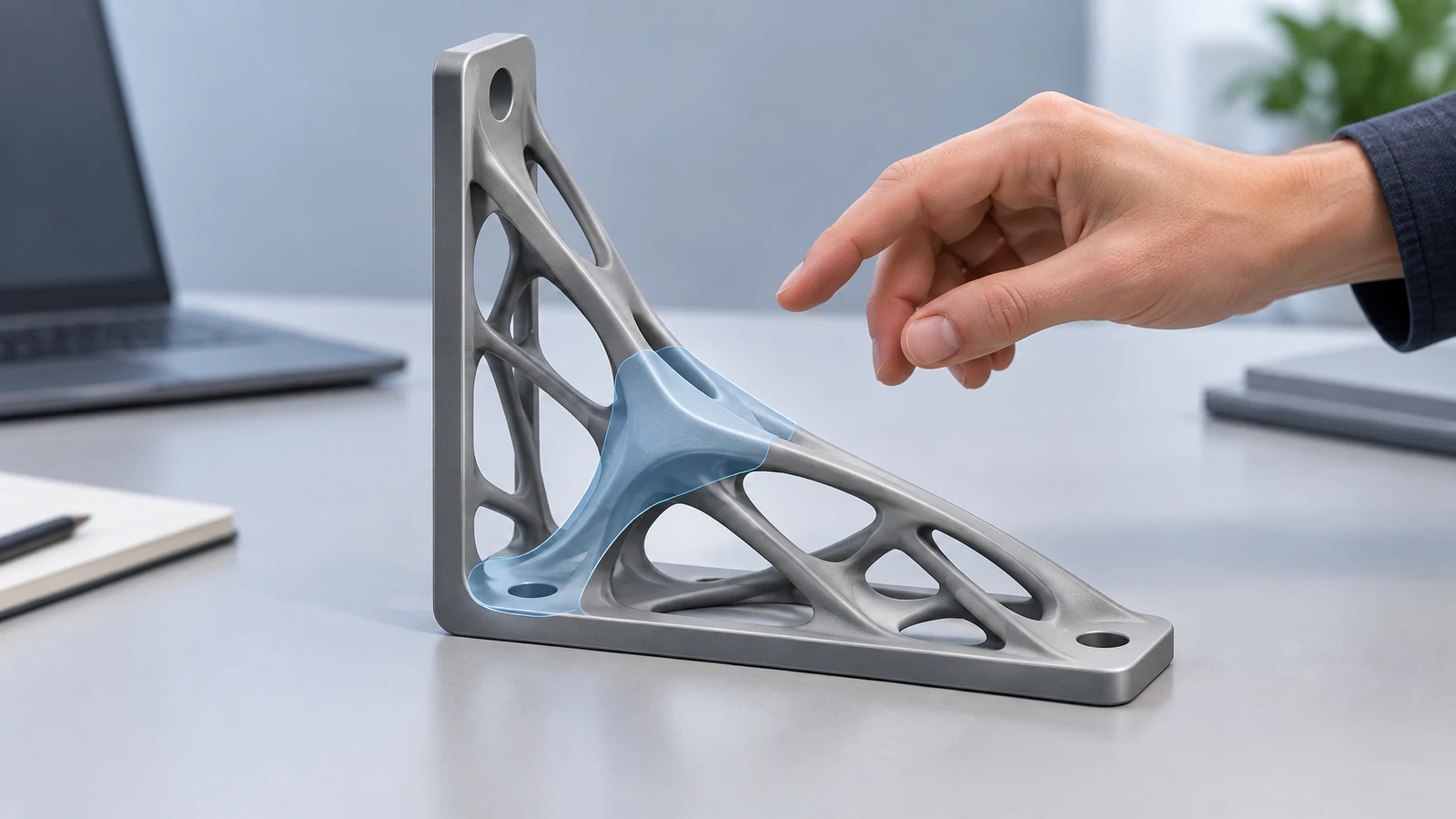
MIT researchers developed an AI assistant that recommends regions to modify during algorithmic structural design. One demonstration increased calculated linear buckling load by 39%, but the approach has not yet been validated in a broad study with human designers.
Google DeepMind used AI agents and Lean to check core security properties down to machine code. The proofs cover defined parts of the Signal protocol, not the entire app.
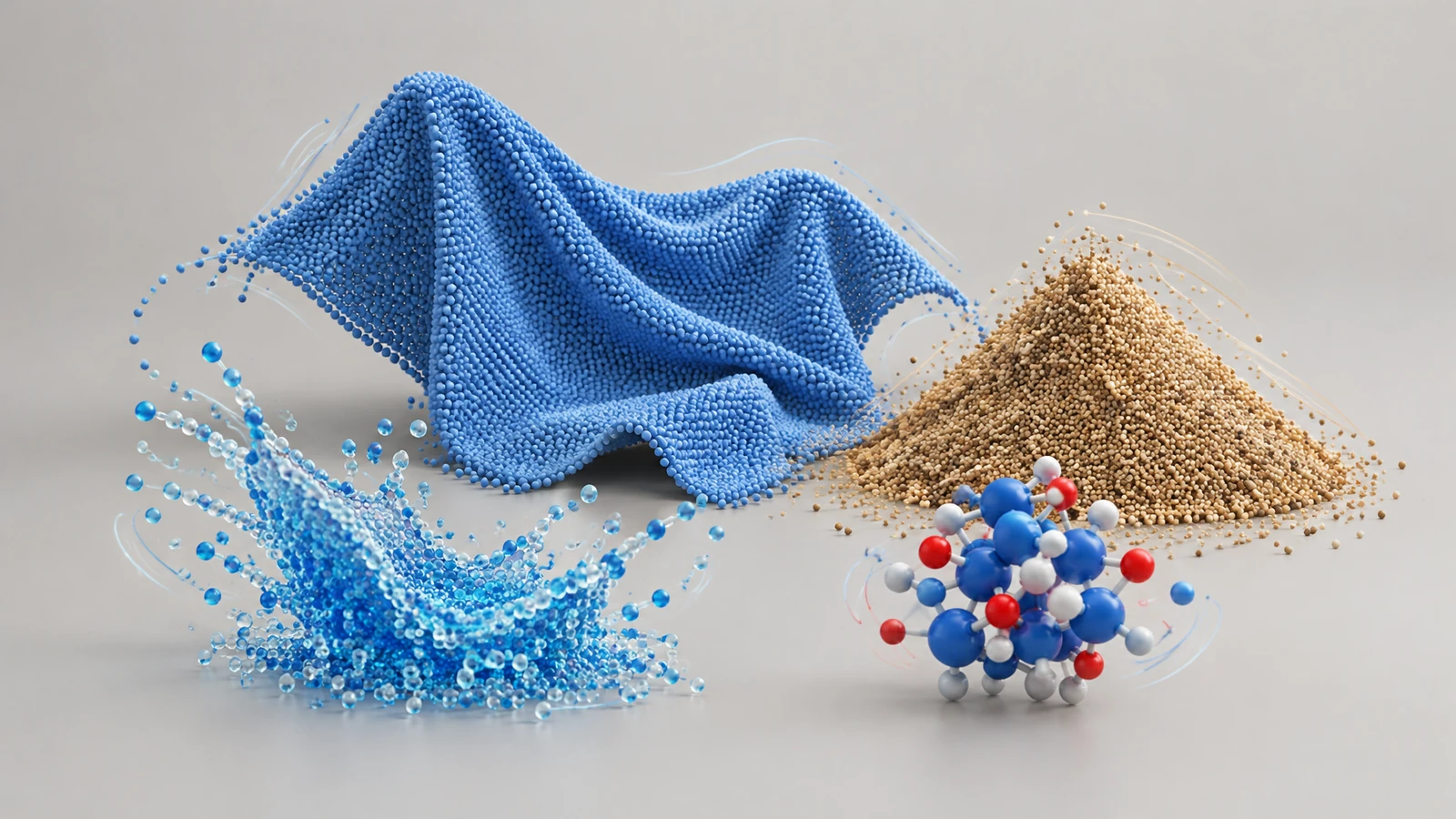
MIT and UBC researchers have developed a shared AI architecture for simulating cloth, sand, fluids and molecular motion. The approach is promising, but it is not one fully trained model that handles all physics.