AI agents formally verify security properties in Signal's encryption code
Google DeepMind used AI agents and Lean to check core security properties down to machine code. The proofs cover defined parts of the Signal protocol, not the entire app.
Search will be available as the English edition grows.
MIT researchers developed an AI assistant that recommends regions to modify during algorithmic structural design. One demonstration increased calculated linear buckling load by 39%, but the approach has not yet been validated in a broad study with human designers.
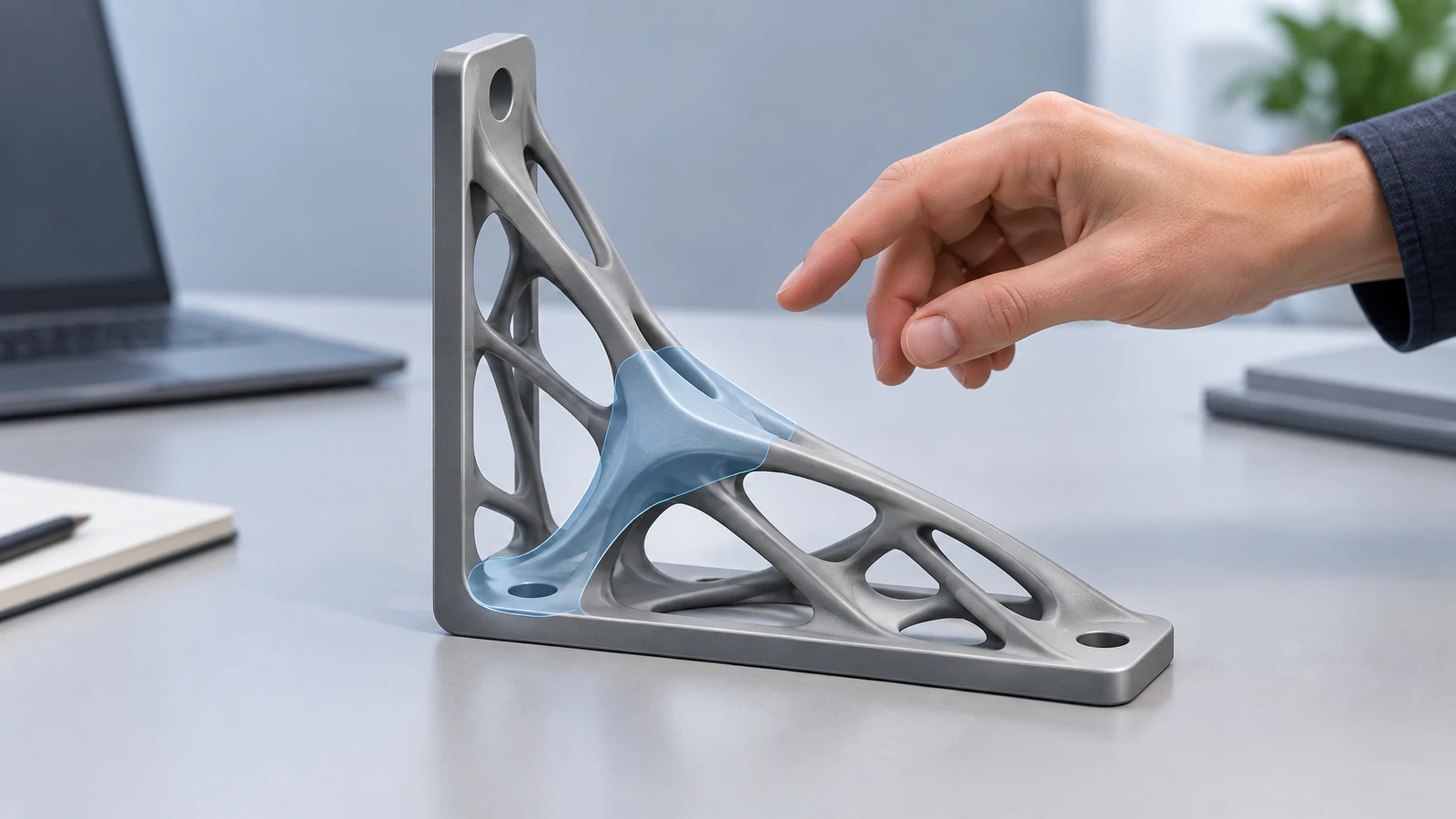
To design a lightweight but strong load-bearing structure, engineers can use topology optimization. Software calculates where material should be distributed to meet specified loading constraints. The resulting shapes can be efficient, but thin members and complex joints may make them difficult to manufacture or adapt. Designers often see the result only after a computational run and must start another iteration to make changes.
Researchers at the Massachusetts Institute of Technology developed HiTopAI, an approach in which an AI copilot recommends regions for human intervention while optimization is under way. MIT announced the work on November 13, 2026. The peer-reviewed paper appeared in Communications Engineering on November 10, while a preprint had already been available in January 2026.
The system uses a U-Net neural network to highlight regions in a computed structural layout. It was trained on synthetic examples with predefined simulated user preferences, such as selecting the longest structural member or the most complex joint. That is different from learning how practicing engineers actually make choices on the job.
The copilot recommends an area, but the user decides what to modify. In the demonstrated workflow, the user can locally thicken or thin a structural member before optimization continues. The goal is to reduce the time spent locating a useful intervention, not to transfer responsibility for requirements, safety or manufacturability to the AI.
In one L-shaped structural example, the researchers reported a 39% increase in calculated linear buckling load relative to a simpler algorithm-only reference. Buckling load describes the load at which a structure loses stability by buckling. The additional design time was about 15 seconds, or approximately four percent in that example. The finding does not show that every structure becomes 39% stronger.
The team also demonstrated simpler joints that could, in principle, be easier to manufacture. These were demonstrations within a computational design workflow, not broad physical tests of finished bridges, buildings or aircraft parts. The study also does not establish that professional engineers consistently work faster or better when using the tool.
The researchers see the approach as a way to make advanced topology optimization more interactive: an algorithm explores possible forms, the AI identifies promising places to intervene, and a human evaluates what is practical. That division of responsibilities matters because engineering design involves more than maximizing a single calculated property.
Before the method can be judged a mature engineering tool, it needs studies with real users, richer preferences, manufacturing constraints and physical validation of fabricated parts. The demonstrated advance is a more interactive approach to structural optimization, not a certified autonomous AI designer.
KEEP EXPLORING
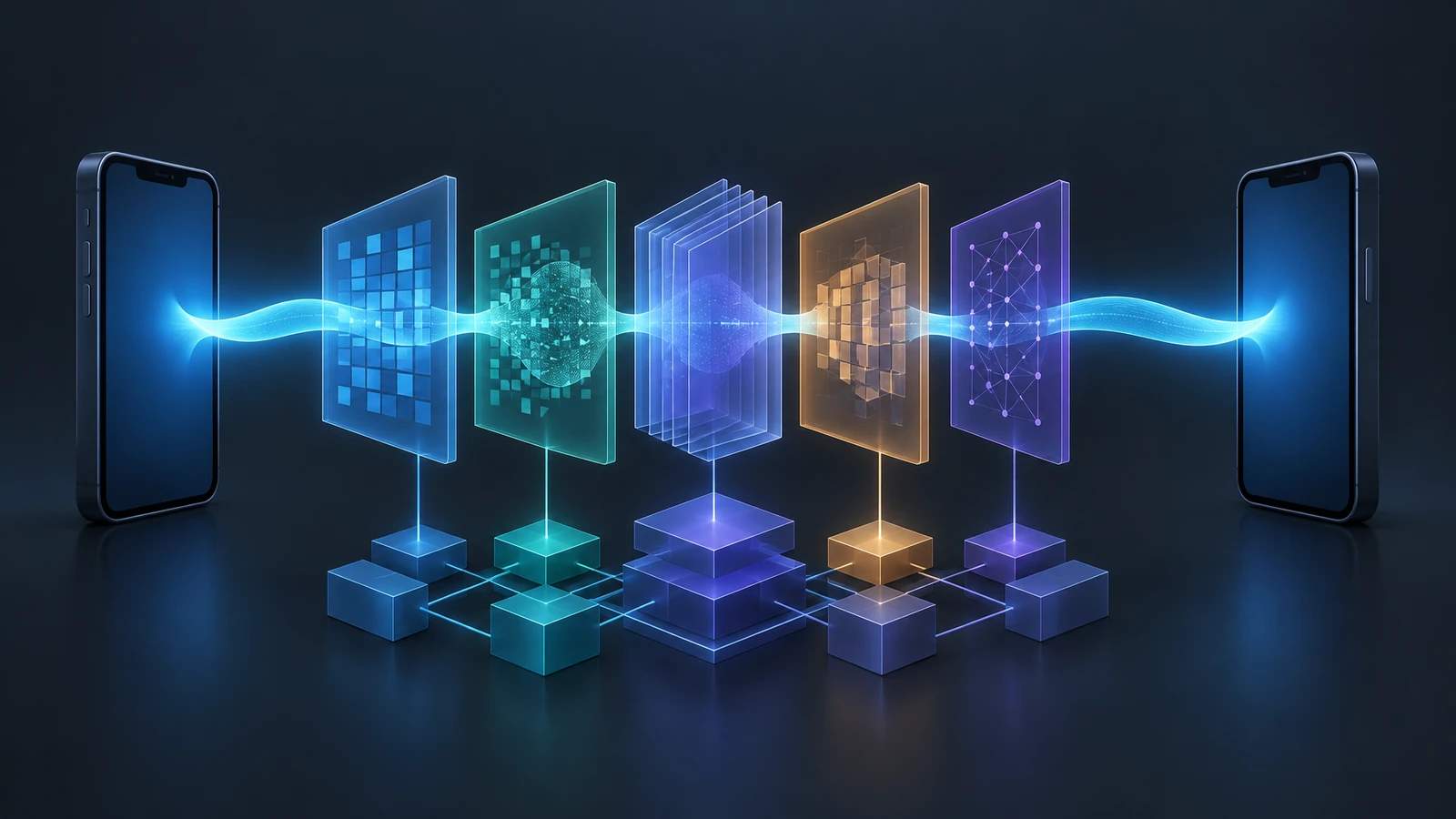
Google DeepMind used AI agents and Lean to check core security properties down to machine code. The proofs cover defined parts of the Signal protocol, not the entire app.
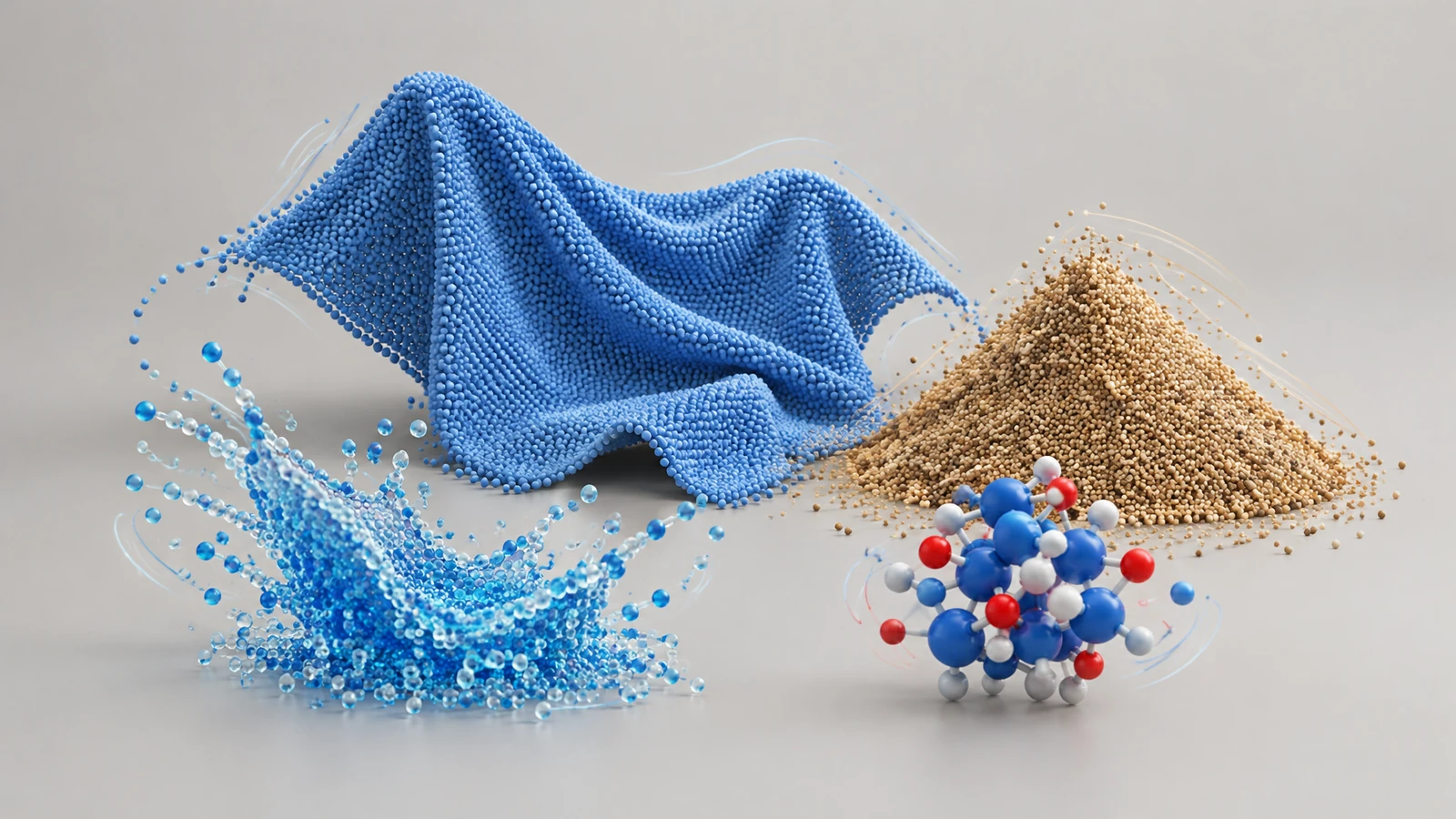
MIT and UBC researchers have developed a shared AI architecture for simulating cloth, sand, fluids and molecular motion. The approach is promising, but it is not one fully trained model that handles all physics.
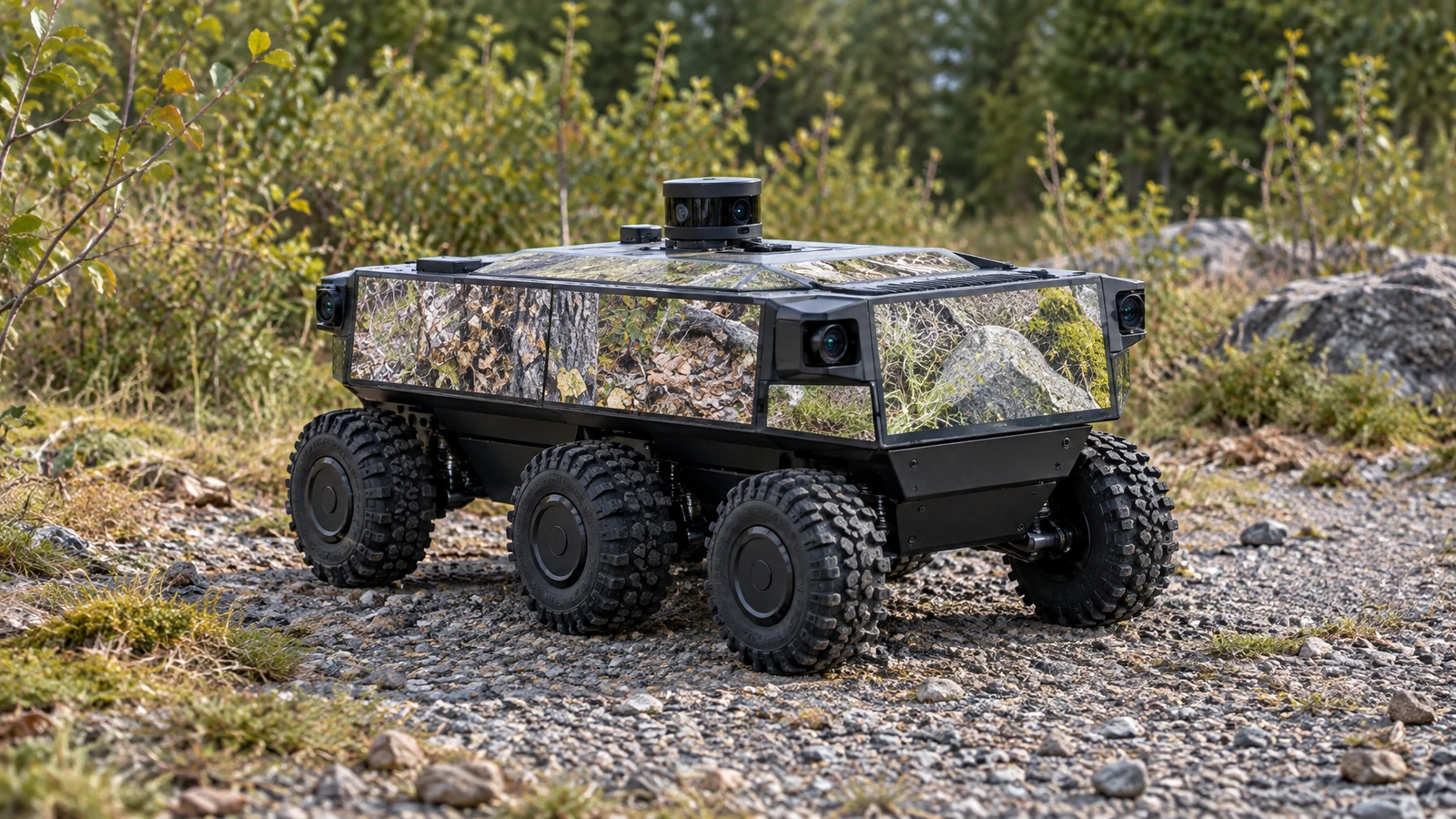
CephCam combines cameras, adaptive texture generation and OLED displays to match its surroundings. In controlled tests, a model vehicle became harder to detect for both human observers and several AI-based object detectors.