AI agents formally verify security properties in Signal's encryption code
Google DeepMind used AI agents and Lean to check core security properties down to machine code. The proofs cover defined parts of the Signal protocol, not the entire app.
·4 min read
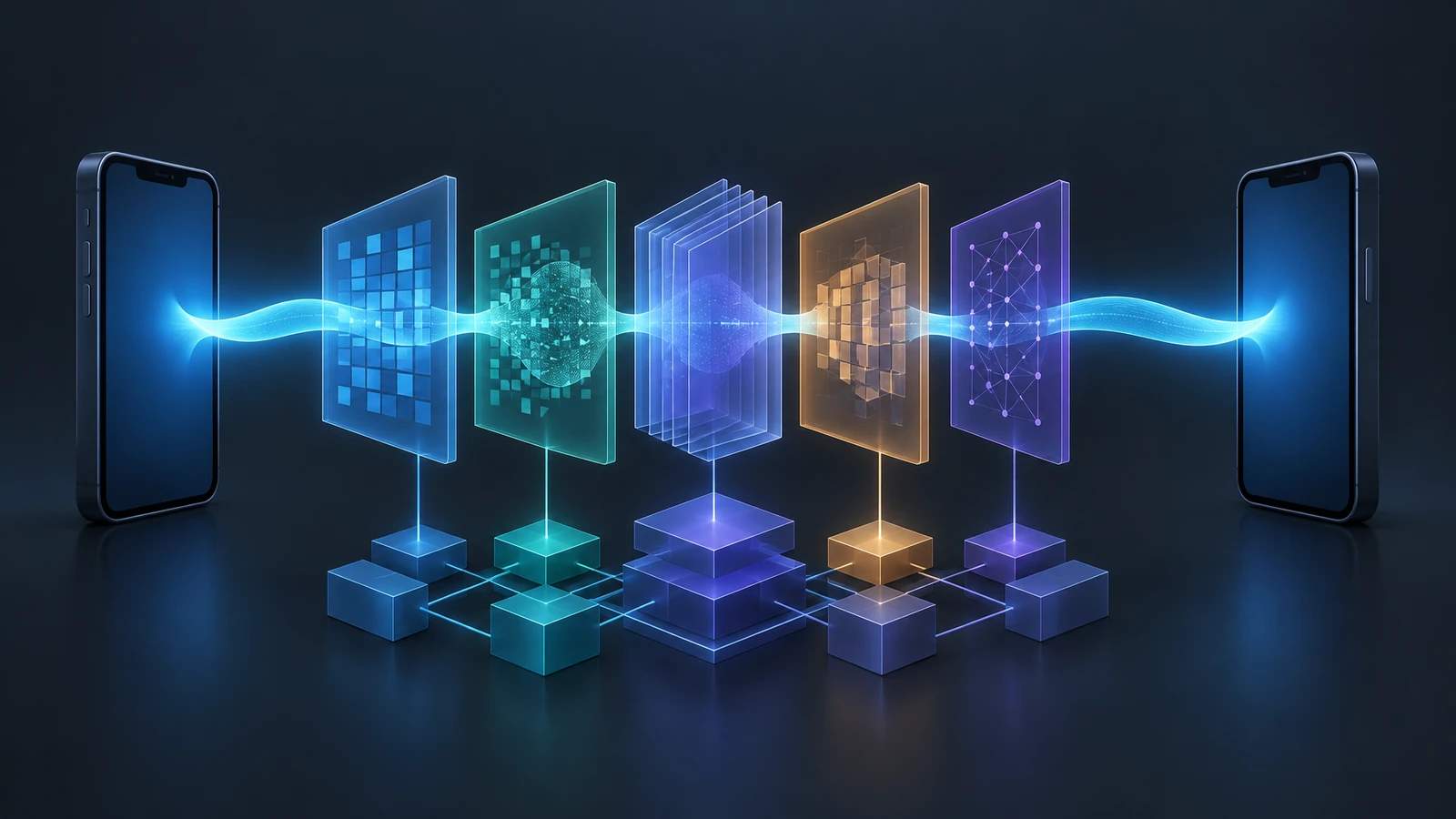
Concept illustration of mathematical verification of cryptographic software, not an actual proof diagram, screenshot or evidence of an entirely secure mobile app.Illustration generated with OpenAI for Progress Radar
Researchers at Google DeepMind have used AI agents to produce machine-checked mathematical proofs of key security properties in the code behind the Signal protocol. Announced on November 10, 2026, the work goes beyond analysing an abstract description of the encryption: the proofs are connected to compiled machine code from an existing software implementation.
The framework is called AlphaProof Code. The team reports roughly 6.5 million lines of Lean proof code and a four-week verification effort. It is a substantial advance in formal software assurance, but it does not mean the entire Signal app has been proved impossible to hack.
From security requirements to real machine code
Formal verification begins by defining exactly which properties software must satisfy. Mathematical proofs then establish that the implementation meets those requirements under stated assumptions. In this project, AI helped draft the specifications while human experts reviewed and approved them. Other AI agents wrote the proofs, which were checked by Lean's proof kernel.
The researchers studied libsignal version 0.105.4 and its associated post-quantum ratchet component. They analysed the PQXDH key exchange and Triple Ratchet for one-to-one conversations. Unmodified Rust code was linked to a small command-line harness and compiled for AArch64 Linux. The proofs apply to this specific machine-code target, not every Signal build on every device.
What did the proofs establish?
The technical paper reports proofs covering message confidentiality, authentication, protection of earlier messages after a key leak, and the recovery of security after a temporary compromise. It also analyses specified properties of the post-quantum handshake. Different parts of the analysis use different attacker models and cryptographic assumptions; the result is not an unconditional guarantee against every possible attack.
To test whether the approach could expose real mistakes, the researchers reintroduced two previously fixed vulnerabilities into isolated versions of the code. In both cases, machine-checked proofs showed that the modified implementation violated the security properties being tested. The team reported no newly discovered vulnerabilities in the portions examined.
Stronger evidence, not absolute security
The proofs rest on approximately 26,000 lines of trusted specifications and models, including assumptions about underlying cryptographic operations and the execution environment. Those assumptions must hold for the conclusions to apply. Group messaging, the complete mobile app, the operating system and other possible attack surfaces have not all been formally verified. The researchers released the technical paper and Lean artifacts for further scrutiny.
AlphaProof Code illustrates how AI could make very large formal verification efforts more practical while leaving humans responsible for deciding what is actually proved. Its scalability and cost across other major software systems remain open questions. For users, the sound conclusion is stronger evidence for specific security guarantees, not a promise that Signal or any phone is invulnerable.
MIT researchers developed an AI assistant that recommends regions to modify during algorithmic structural design. One demonstration increased calculated linear buckling load by 39%, but the approach has not yet been validated in a broad study with human designers.
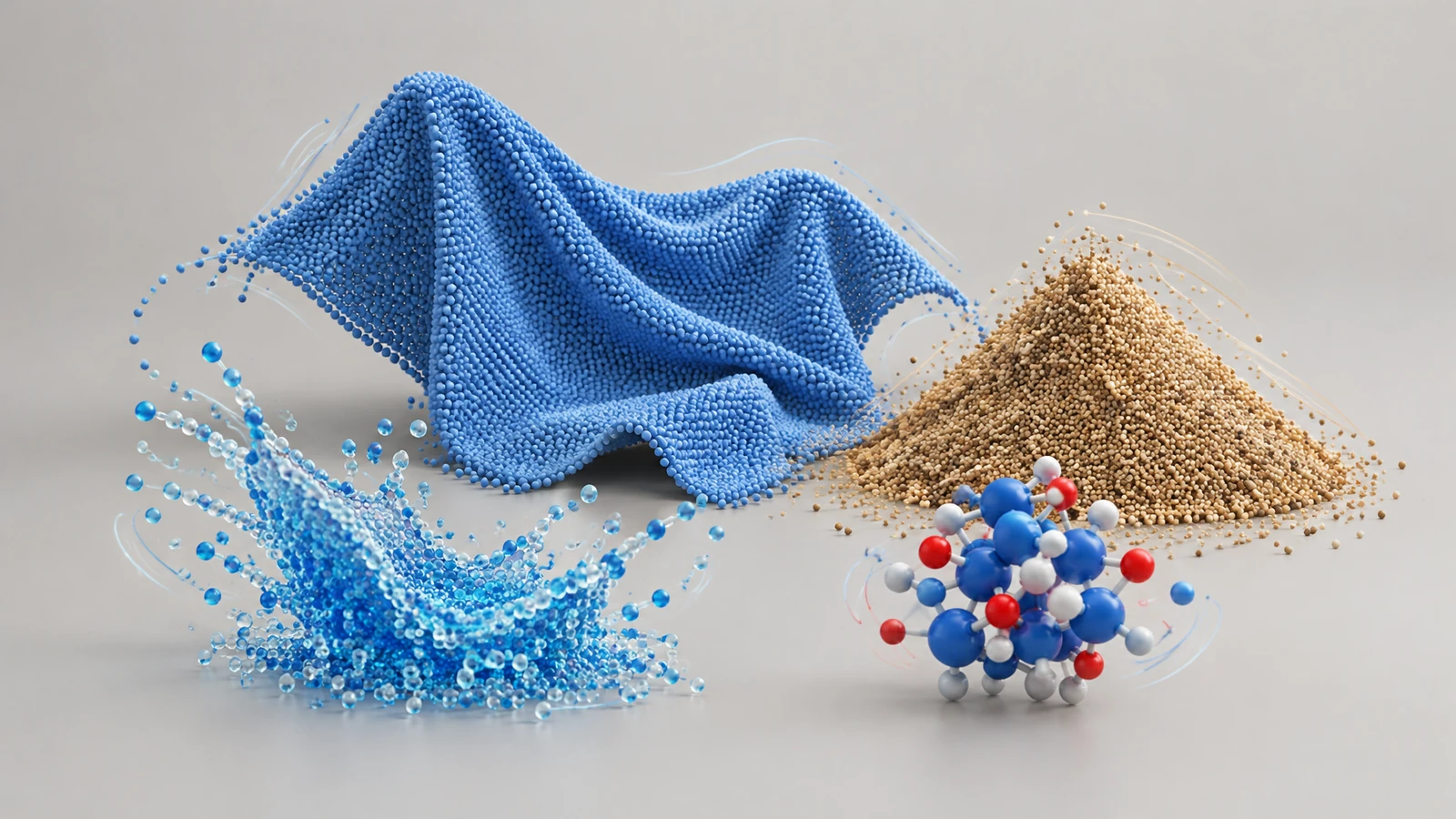
MIT and UBC researchers have developed a shared AI architecture for simulating cloth, sand, fluids and molecular motion. The approach is promising, but it is not one fully trained model that handles all physics.
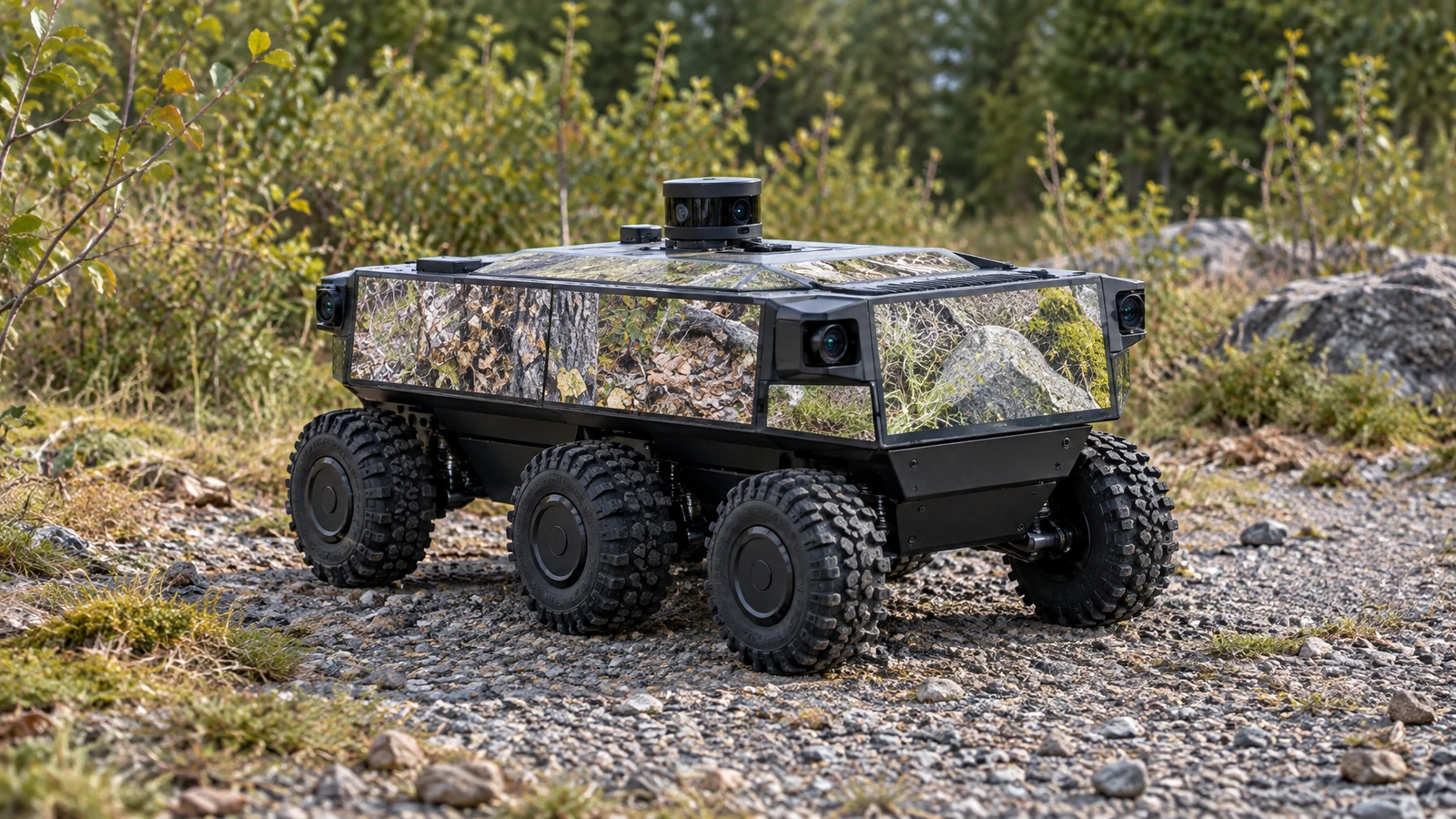
CephCam combines cameras, adaptive texture generation and OLED displays to match its surroundings. In controlled tests, a model vehicle became harder to detect for both human observers and several AI-based object detectors.